

 Losing a single tooth forces a decision most people never expected to make. Do you anchor a bridge to the healthy teeth beside it, or place an implant that stands entirely on its own? The choice affects not just how your smile looks now, but how much dental work you may need years from now.
At Perler Dental, we help patients weigh that decision every day, and the honest answer is that implants tend to outlast bridges by a wide margin. Understanding how each option works and what affects its lifespan makes it easier to see why so many of our patients in New Rochelle choose a single-tooth implant over a traditional bridge.
How Does a Dental Bridge Work?
A dental bridge fills the gap left by a missing tooth using a false tooth anchored to the healthy teeth on either side. Those neighboring teeth, called abutment teeth, are shaved down to support crowns that hold the bridge in place. It is a well-established solution, and one many patients still choose for its shorter treatment timeline.
The tradeoff is that a bridge depends entirely on the health of the teeth supporting it. Once those abutment teeth are reshaped for crowns, they can’t return to their original state, and they now carry extra chewing load meant for two teeth instead of one. Most bridges last somewhere between five and 15 years before they need replacement, largely because the supporting teeth or the cement holding the crowns in place eventually give way.
How a Single Dental Implant Works
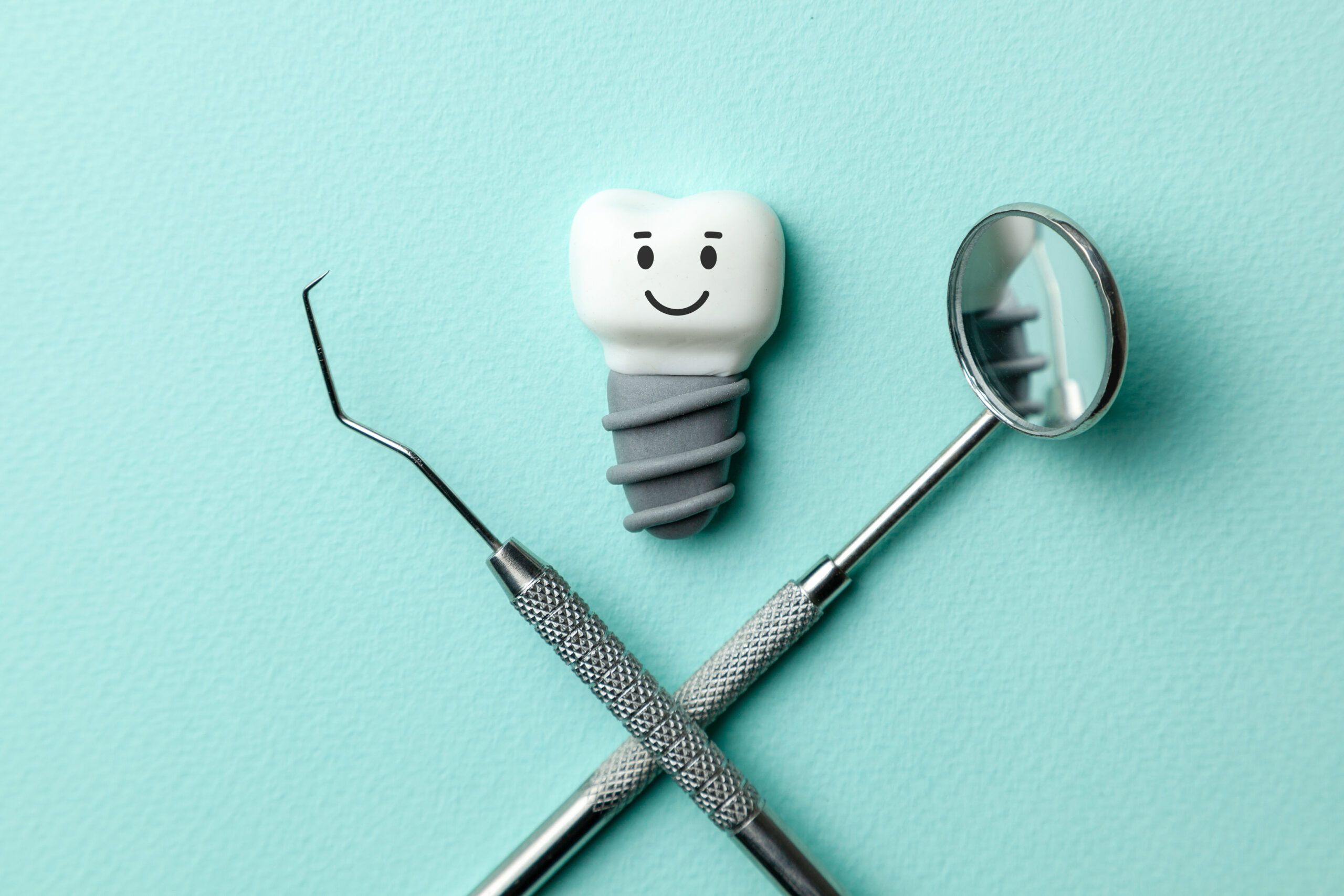
A single dental implant takes a different approach entirely. A small titanium post is placed directly into the jawbone, where it fuses with the bone over several months through a process called osseointegration. Once healed, a custom crown attaches to the post, and the result functions and feels remarkably close to a natural tooth.
Because the implant replaces the entire tooth structure, including the root, it does not rely on neighboring teeth for support. This is one reason our patients considering prosthodontic restorations often lean toward implants when they learn more about the long-term picture.
Why Implants Tend to Last Longer Than Bridges
The biggest difference between these two options comes down to what happens underneath the surface. A bridge sits on top of the gum line and relies on external support, while an implant becomes part of the jawbone itself. That distinction directly affects longevity. Here are some of the most common reasons an implant lasts longer than a dental bridge:
- Bone preservation: An implant post stimulates the jawbone the same way a natural tooth root does, which helps prevent the bone loss that often follows tooth loss.
- No strain on neighboring teeth: Because implants stand independently, they do not add extra wear to the teeth next to them the way a bridge does.
- Material durability: Titanium implant posts resist decay and rarely fail once properly integrated with the bone.
- Long-term data: Research continues to show strong outcomes for implants over many years of use.
A study published through the National Institutes of Health found a 97.44 percent cumulative survival rate for dental implants at 24 months, reinforcing just how predictable and durable properly placed implants tend to be. With that kind of foundation, many implants go on to serve patients well beyond 20 years, while a bridge is far more likely to need replacement or repair within a decade or two.
What Affects Long-Term Success?
Neither option is entirely maintenance-free, and a few factors influence how long each will realistically last. Bone density plays a significant role in implant success, which is why some patients may need a bone grafting procedure before treatment to build a stable foundation. Grinding habits, gum health, and how consistently you keep up with routine dental visits also affect both bridges and implants alike.
For bridges specifically, decay at the edge of an abutment tooth is one of the more common reasons they fail early. Because implants don’t carry that same risk to neighboring teeth, they tend to hold up better for patients who may be prone to cavities or already have wear on the teeth next to the gap. Cost is often the deciding factor for patients leaning toward a bridge, though the need for eventual replacement can close that gap over time.
Making the Right Choice for Your Smile
There is no universal answer for every patient, since jawbone health, budget, and personal preference all play a role in this decision. A failed implant is rare when the procedure is planned carefully, and a thorough evaluation helps determine whether your jawbone can support an implant or whether a bridge makes more sense for your situation. Comparing options with a restorative dentistry specialist gives you a clearer picture of what to expect long term.
Choosing Perler Dental for Your Tooth Replacement
Perler Dental is led by Dr. Evan Perler, a board-eligible prosthodontist trained at NYU College of Dentistry with advanced residencies in general practice and prosthodontics. That specialized background means restoring a single missing tooth gets the same level of attention as more complex cases, with a treatment plan built around what will genuinely serve your smile for years to come.
Financing through CareCredit is available for patients who want a clear path to treatment without unexpected costs, and our team works with Delta Dental and Cigna PPO plans to help make care more accessible. If you are ready to talk through your options for replacing a missing tooth, reach out through our contact form, and we can help you find the path that lasts.