Your dentist just mentioned the term “bone graft,” and now a straightforward implant conversation feels a lot more complicated. You pictured getting a new tooth root placed and moving on with your life, not adding another surgery, another recovery period, and another line item to your treatment plan. That reaction is normal. The short answer is that it depends on how much bone remains at the implant site, since not every patient needs one. Bone grafting adds that missing support so your implant lasts for years, not months.
At Perler Dental, we walk patients through this exact question every week because losing a tooth causes the underlying bone to resorb faster than most people expect. Dr. Evan Perler, a prosthodontist trained specifically in restoring and replacing teeth, evaluates every case individually through our dental implant clinic before recommending grafting, so you never pay for a step your case does not need.
What Bone Grafting Does for Your Implant
A dental implant only works as well as the bone holding it in place. Your jawbone stays dense as long as a tooth root stimulates it, but once a tooth is gone, that section of bone begins to resorb. If too much width or height is lost before you seek treatment, there may not be enough bone to securely support an implant.
Bone grafting rebuilds some of that lost volume using graft material that creates a framework for new bone to develop. As the area heals, your own bone gradually grows through and around the graft. The process takes time, but it can create enough healthy bone for an implant to be placed securely when the jaw would not otherwise support one.
Signs You May Need a Bone Graft
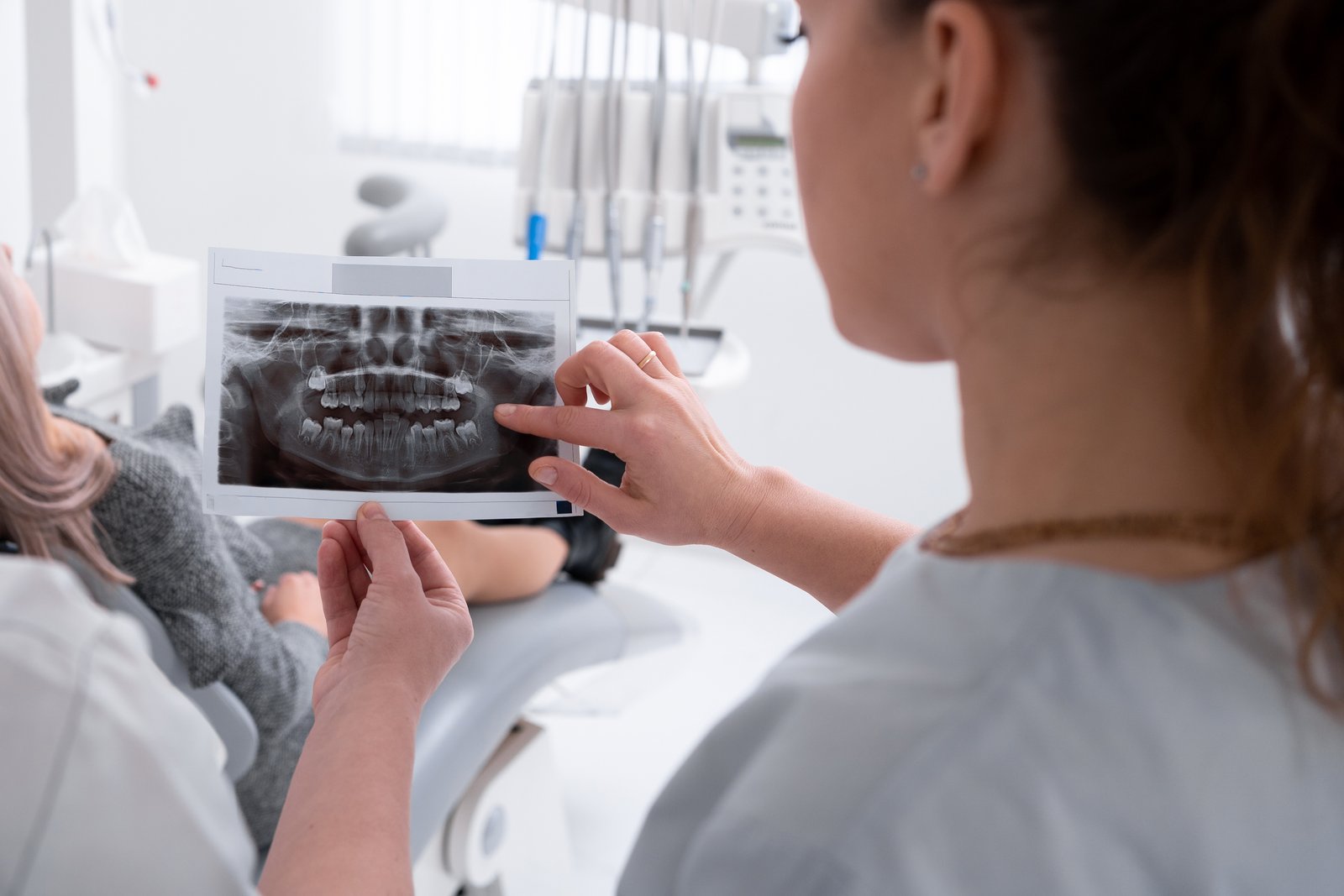
Not every implant candidate needs grafting, and the only way to know for certain is a clinical exam paired with imaging. That said, a few patterns tend to show up in patients who do need it:
- A tooth has been missing for more than a year without replacement
- Previous gum disease has affected the surrounding bone
- An earlier implant did not integrate and needs retreatment
- Imaging shows thin or shallow bone at the implant site
If any of these describe your situation, it does not mean your case is more complicated than most. It only means your treatment plan may include one additional healing phase before placement. This holds especially true if you are exploring options after a previous implant did not fully integrate, because compromised bone is a common factor in those cases.
What the Bone Grafting Process Involves
Bone grafting is usually completed in one appointment with local anesthesia, although sedation may also be an option in some cases. The graft material is placed in the area where bone has been lost, and the gum tissue is closed over the site while the new bone begins to develop.
Healing often takes about three to six months before the area is ready for an implant. Smaller grafts can sometimes be placed at the same time as an extraction, which may change the overall treatment timeline. Before proceeding with the dental implant procedure, your prosthodontist will use imaging to assess how the graft has healed and whether there is sufficient bone to support the implant.
What the Research Shows About Success Rates
It is fair to wonder whether an implant placed after grafting performs as well as one placed in natural bone. This is one of the most studied questions in restorative dentistry, and the data is reassuring for patients who need the extra step.
A large national analysis of dental implant outcomes found a 97.83 percent clinical success rate among implants placed with simultaneous bone grafting, a rate researchers described as statistically comparable to implants placed without grafting, according to a study published by the National Center for Biotechnology Information. Failures were most likely in the first year and were more closely linked to factors such as the timing of immediate placement than to the graft itself.
What Recovery Looks Like After Bone Grafting
Recovery from a bone graft is typically shorter and easier than people expect, with most patients returning to normal activities within a few days. Mild swelling, tenderness, and minor bleeding at the site are common in the first 48 hours and usually respond well to over-the-counter pain relief and a soft food diet.
Keeping the area clean without disturbing it is the priority during the first week, and follow-up visits let your prosthodontist confirm that the graft is integrating as expected. We provide detailed post-surgical care instructions to every patient to keep healing on track between appointments.
Find Out if Bone Grafting Is Right for You at Perler Dental
Dr. Evan Perler completed advanced training in prosthodontics at the Manhattan VA Hospital and served on the prosthodontic faculty at NYU College of Dentistry for three years during his residency. His background in prosthodontics provides him with additional training in planning and restoring dental implants, which can be especially important when bone grafting is part of the treatment process.
If you have been told you may need a bone graft before getting an implant, a consultation can help clarify what that means for your treatment and timeline. Contact us to schedule an appointment with Dr. Perler and determine whether grafting is necessary before your implant can be placed.